Cygnus XL is taking a robot welder to the space station
The cargo ship, named for Apollo astronaut Jim Lovell, also carries tiny copies of patients' tumors. It reaches the ISS on December 1.
Key points
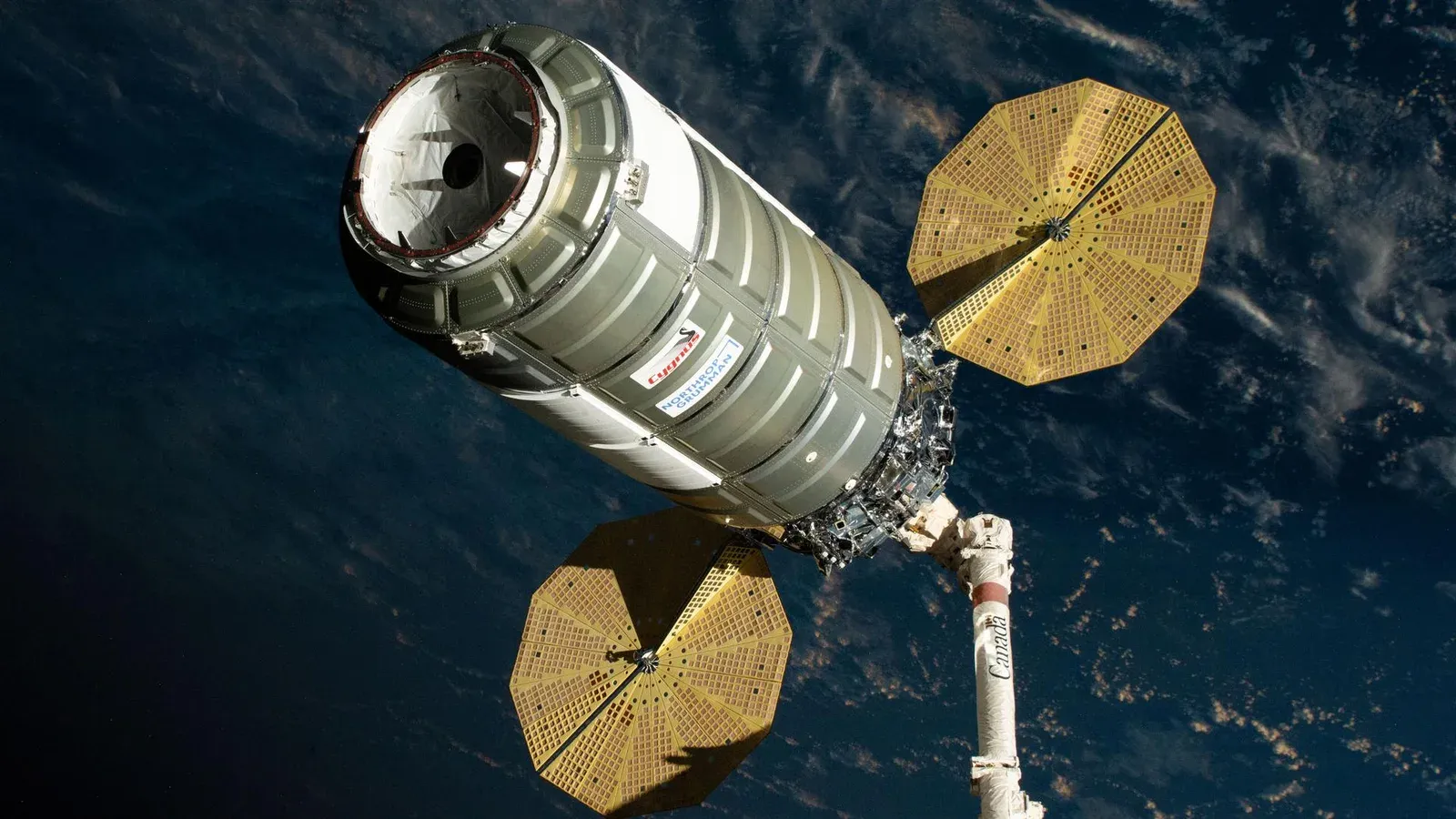
- Northrop Grumman's Cygnus XL carries about 11,000 pounds of science and supplies, and it is named after astronaut Jim Lovell.
- Its cargo includes JOINS, a demo of robotic welding in space, plus tiny copies of patients' tumors for cancer research.
- Astronaut Jessica Watkins will catch it with the station's robotic arm around 1:05PM IST (2:35AM ET) on December 1.
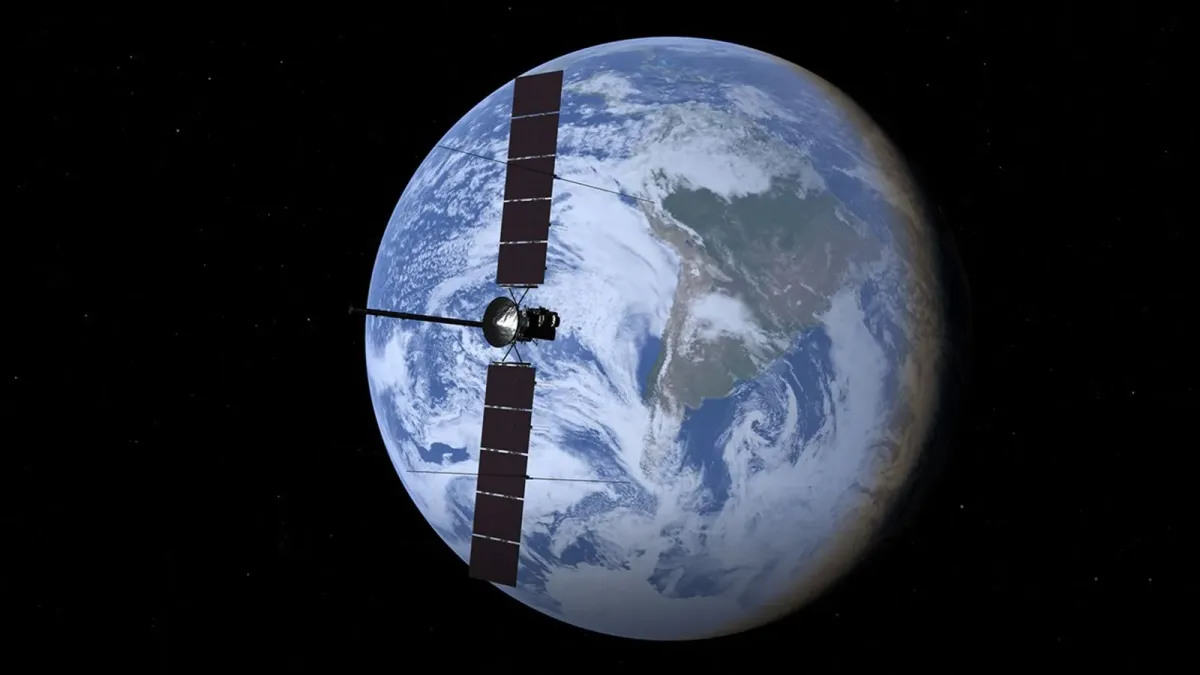
Northrop Grumman's Cygnus XL cargo ship is taking a robot welder to the International Space Station. It lifted off on a SpaceX Falcon 9 rocket at 9:17PM IST (10:47AM ET) on November 29, NASA said in its launch update. The rocket flew from Cape Canaveral Space Force Station in Florida.
The ship holds about 11,000 pounds of science, supplies and equipment. NASA calls the mission Northrop Grumman CRS-25. It is the third flight of Cygnus XL, the larger version of the company's solar-powered cargo ship. This one is named after astronaut Jim Lovell, who flew four missions, including Apollo 8 and Apollo 13.
See also: Europa Clipper uses Earth as a slingshot on December 3
A welding test inside the Bishop Airlock
The most unusual item is a technology demo called JOINS, short for JOining demonstrations IN-Space. It will run inside the station's Bishop Airlock, where a robot will weld metal on its own. It tests two methods. Laser beam welding melts metal with a focused laser. Friction stir welding spins a tool against the metal until the heat softens it. Each method will be tried on aluminum and on stainless steel.
NASA says joining metal in orbit could let teams build large structures after launch. Right now, the size of a structure is limited by the rocket that carries it. That makes the welder the part to watch.
Tumor copies and muscle cells for medical research
Three of the experiments are medical. Encapsulate-1 grows small copies of patients' tumors to watch how cancer cells move and spread. Its team hopes to build a test that predicts cancer spread "months or even years in advance," according to NASA's mission overview.
Cardinal Muscle 2.0 uses lab-grown human muscle tissue to test drugs that are already approved for other conditions. The goal is to slow muscle loss in astronauts and in older people on Earth. DNA Nano B will make tiny particles modeled on DNA. They are designed to carry medicine into dense tissue such as cartilage and solid tumors.
Two more experiments look ahead to the Moon and Mars. ARES is a small sensor that tracks radiation inside crew areas, built for future Artemis missions. Ohalo III is a mostly automatic plant growth box for growing food on long trips. The ship also carries new blankets for crew quarters, a toilet hose and tools for upcoming spacewalks.
Launch on a Falcon 9 at 9:17PM IST (10:47AM ET) from Cape Canaveral.
Capture by the Canadarm2 robotic arm around 1:05PM IST (2:35AM ET).
PlannedCygnus XL leaves the station.
Planned
Arrival on December 1
NASA astronaut Jessica Watkins will catch Cygnus with the Canadarm2 robotic arm around 1:05PM IST (2:35AM ET) on December 1. Astronaut Luke Delaney will monitor the approach. NASA's live coverage starts at 11:40AM IST (1:10AM ET). Our next rocket launch tracker lists the launches coming up after this one.
Ground teams will then attach Cygnus to the Earth-facing port of the Unity module. NASA will not show that step live. The ship is set to stay at the station until May 2027.
What we don't know yet
- When the JOINS welds will happen. NASA's mission overview, published November 24, gives no date for the test.
- When results from the tumor and muscle studies will come out. The overview does not give a date.
Sources
- NASA: Cygnus XL Cargo Craft Launches Atop Falcon 9 Rocket to Resupply Crew, published November 29, 2026
- NASA: NASA's Northrop Grumman CRS-25 Mission Overview, published November 24, 2026
- NASA: NASA Invites Media to Northrop Grumman CRS-25 Station Resupply Launch, published November 2, 2026
This story was reported and drafted with AI tools from the sources linked above and checked against them by a separate AI fact-checker. It was published automatically under rules set by editor Parth Garg. How we use AI.
Related on pblcty