Loss at Xiaomi's EV and AI unit widens as car deliveries slip
Xiaomi's car and AI business lost RMB3.4 billion from operations in the third quarter, up from RMB2.6 billion in the second, as deliveries fell to 100,975.
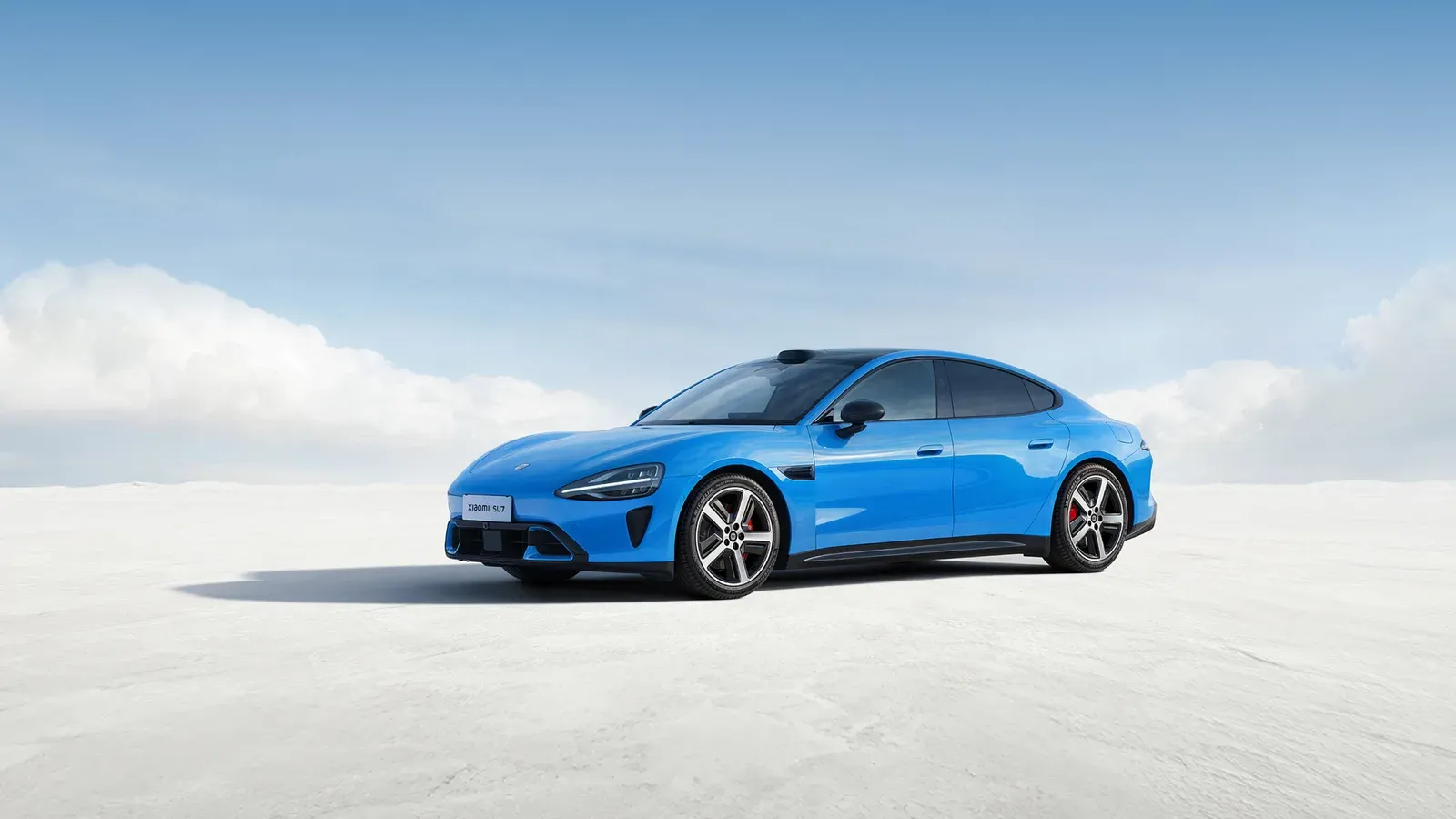
Xiaomi's electric car and AI business lost RMB3.4 billion from operations in the three months to September, the company said in its third-quarter results on November 24, a wider loss than the RMB2.6 billion it reported for April to June. It delivered 100,975 vehicles, about 7% fewer than the 108,796 it reported a year earlier, while retail volume in mainland China's passenger vehicle market fell 24% year on year, Xiaomi said, citing China Passenger Car Association figures.
That is a sharp turn from a year ago, when the car and AI unit posted its first quarterly operating profit, RMB0.7 billion, according to Xiaomi's third-quarter 2025 results. Deliveries also slipped from 104,199 in the second quarter, the figure Xiaomi gave in its August results.
The SUVs Xiaomi is counting on
Xiaomi's answer is the SkyNomad series, which it launched in September: four extended-range SUV models priced from RMB209,900 to RMB299,900. An extended-range car runs on electric motors and uses its gasoline engine as a generator, not to drive the wheels. Xiaomi said locked-in orders passed 70,000 in the first month. Deliveries began on September 7, CnEVPost reported, and Xiaomi said more than 10,000 of the quarter's 100,975 deliveries were SkyNomads.
In October, Xiaomi delivered 50,168 cars, up about 3% from a year earlier, CnEVPost reported, citing China Passenger Car Association data. CnEVPost and CarNewsChina both put the SkyNomad SUVs at more than half of Xiaomi's sales that month. The fourth-quarter results will show whether that holds.
Where the money went
Car revenue fell 19.9% from a year earlier, to RMB22.7 billion from RMB28.3 billion, and was 5.1% below the second quarter. Xiaomi pointed to fewer deliveries and a changed product mix, with less coming from the high-end SU7 Ultra.

The unit's gross margin was 19.2%, down from 25.5% a year ago and unchanged from the second quarter. Xiaomi blamed the same SU7 Ultra effect, pricier key components and the cost of its AI work.
Group research and development cost RMB9.2 billion in the quarter, up 2.0% from a year earlier and flat on the second quarter. Over nine months it came to RMB27.4 billion, up 16.5%. Of the group's roughly RMB3.6 billion in third-quarter capital spending, RMB2.3 billion went to the car and AI unit.
Xiaomi renamed the segment this quarter, swapping "smart EV" for "NEV" (new energy vehicle) in its name, and the unit still counts AI revenue and costs alongside the cars. The whole group had a weak quarter too: revenue fell 5.2% to RMB107.2 billion, and adjusted net profit dropped 56.8% to RMB4.9 billion.
Europe is still on for 2027
Xiaomi repeated that its cars will go on sale in Europe in 2027, which it made official in September, and said it has signed memorandums of understanding with eight German dealer groups. Its global Xiaomi Auto site still says the SU7 and SU7 Ultra are not on sale outside China.
What we don't know yet
Xiaomi's results give no European prices and don't say which models will go on sale there first. Xiaomi also hasn't split the unit's RMB3.4 billion loss between cars and AI. And while it says its XRING D100 assisted-driving chip has completed post-silicon validation, it hasn't named the first car to use it.
Sources
- Xiaomi Corporation: Results announcement for the three and nine months ended September 30, 2026, published November 24, 2026
- Xiaomi Corporation: Results announcement for the three and six months ended June 30, 2026, published August 18, 2026
- Xiaomi Corporation: Results announcement for the three and nine months ended September 30, 2025, published November 18, 2025
- Xiaomi Auto: global website, read November 25, 2026
- CnEVPost: Xiaomi delivers 50,168 cars in October as EREVs account for over half of total, published November 9, 2026
- CarNewsChina: Xiaomi's car and AI division loses 510 million USD in Q3 as car revenue falls 20%, published November 24, 2026
This story was reported and drafted with AI tools from the sources linked above, fact-checked, and edited by Parth Garg. How we use AI.